A standby generator provides automatic backup power during outages, but choosing the right type and size requires understanding the difference between portable and permanently installed units. Transfer switches are essential safety devices that prevent deadly backfeeding into electrical lines. Proper sizing depends on which circuits you want to power. Permitting and inspection ensure code compliance and safe operation.
Portable vs. Standby Generators
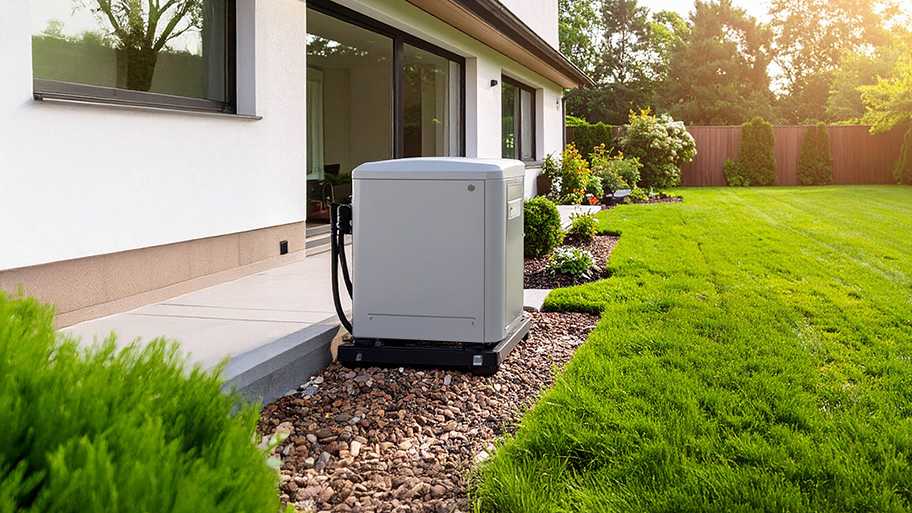
Portable generators are temporary solutions you can move and store. They require manual setup during outages and must run outside to avoid carbon monoxide buildup. Standby generators are permanently installed, fuel themselves automatically, and run on natural gas or propane. They start automatically when power fails and cost significantly more upfront but operate without human intervention. For New Orleans homes near flood zones, standby units can be elevated above expected water levels; portables offer flexibility if you need to relocate quickly during storms.
The Transfer Switch: Non-Negotiable Safety
A transfer switch disconnects your home from the utility grid when the generator runs. Without it, electricity flows backward into power lines where linemen may be working, causing electrocution or death. This “backfeeding” is illegal and kills workers. Any permanent generator installation requires a transfer switch by code. Manual transfer switches require you to switch power sources by hand; automatic switches handle this instantly. Installing a transfer switch is not optional and not a cost to cut. Local permits ensure the switch meets electrical code. Permit inspectors verify proper installation before operation.
Sizing: Whole-Home or Essential Circuits Only?
The size you need depends on what you want to power during outages. A whole-home generator runs everything: air conditioning, heating, water heating, and appliances simultaneously. Sizing for everything costs far more upfront and requires a larger unit plus more fuel storage. Essential-circuit sizing supports only critical loads: refrigeration, medical equipment, sump pumps or well pumps, a window AC unit or mini-split for one room, lighting, and internet or phone equipment. Most homeowners choose essential-circuit sizing as a practical balance. Hurricane season often brings heat and humidity, so cooling at least one room keeps families comfortable. A licensed electrician calculates your actual power needs to avoid oversizing.
Natural Gas vs. Propane: Fuel Choice
Natural gas is delivered through underground utility lines, so fuel supply continues automatically during outages as long as the gas company operates. No tank to refill or monitor. Propane requires an on-site tank that you must keep filled and can empty during extended outages. Natural gas generators cost less to operate long-term. Propane systems work where natural gas lines don’t exist, and propane stores indefinitely without degrading. Both fuels require professional installation and regular maintenance. Hurricane winds and flooding can damage gas lines and propane tanks, so location and elevation matter. Discuss fuel pros and cons with your ELECTRICIAN based on your property and neighborhood.
Placement, Elevation, and Flood Protection
Generators generate noise and exhaust, so placement away from sleeping areas and neighboring homes helps reduce disturbance. New Orleans sits in a flood-prone region; elevated placement protects your generator from standing water and storm surge. Installing on a raised platform or concrete pad above expected flood levels keeps the unit safe. Never place any generator indoors, in a garage, basement, or enclosed space. Carbon monoxide gas kills silently and builds up fast in closed areas. Portable generators especially pose this risk. Exhaust must vent safely outdoors and away from windows and doors. Proper clearance around the generator allows air circulation and safe maintenance access.
Permitting, Inspection, and Maintenance
 Local permitting requires submitting plans and obtaining approval before installation. Inspection happens after installation to verify code compliance and safe operation. Both steps protect your home and ensure the generator meets standards. Pre-season maintenance before hurricane season starts each June includes changing oil, testing the engine under load, checking fuel connections and filters, and verifying the transfer switch responds correctly. Exercise your generator monthly or quarterly to keep components functional and catch problems early. Many generators fail during actual outages because they’ve never been tested. Professional service technicians perform comprehensive pre-season checks and maintenance.
Frequently Asked Questions
Question: Can I run a portable generator inside my garage or basement?
No. Portable generators produce carbon monoxide, an odorless, colorless gas that kills. Exhaust buildup happens in minutes in enclosed spaces. Run all portable generators outside, at least twenty feet from windows, doors, and vents. Even with a door cracked open, carbon monoxide seeps indoors and into neighboring homes. Never compromise on this safety rule.
Question: How often should I exercise my standby generator?
Exercise your standby generator monthly under load or quarterly if monthly feels impractical. Running it on propane or natural gas for ten to twenty minutes at moderate load keeps components moving and catches mechanical problems before hurricane season. Many failures happen because generators sit dormant for months. Regular exercise prevents costly failures during actual outages. Ask your electrician about service programs.
Question: What happens if power lines are down and the utility isn’t operating?
Even with lines down, your generator can power your home independently. However, linemen may still work on downed lines. A properly installed transfer switch prevents backfeeding into those lines. This is why the transfer switch exists and why it’s not optional. A disconnected home protects workers. Never operate a generator connected to the grid without a transfer switch.
About MK Electric Man
MK Electric Man provides standby generator installation, transfer switch setup, panel upgrades, permits, and code inspections for homeowners across New Orleans, Chalmette, Metairie, Kenner, Jefferson Parish, and St. Tammany Parish. Our licensed electricians understand hurricane season risks and help families prepare.
 Super-Mid jets hover between $5,500 and $7,000 per flight hour and accommodate 8 to 10 passengers with 150+ cubic feet of baggage capacity (Jets Monthly, 2024). Range reaches 3,000+ miles, covering transatlantic routes with fuel stops or shorter direct flights to Europe. Larger cabins with true sleeping berths appeal to executive teams on extended missions.